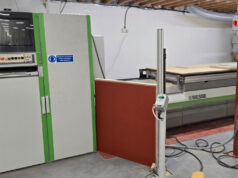

























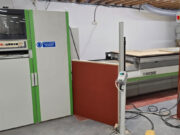
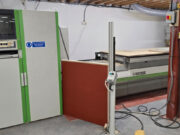



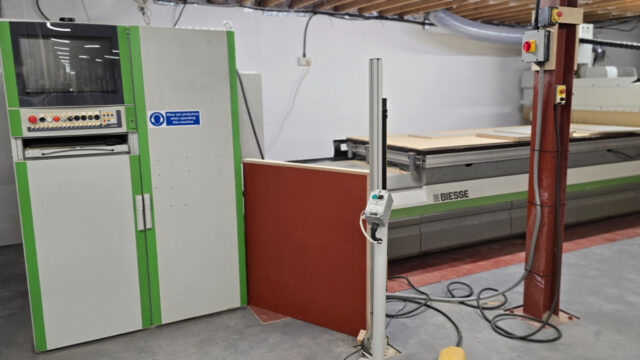
For a small manufacturer, investing in CNC machinery can transform what a workshop is able to produce. Digital design and computer-controlled cutting improve accuracy, consistency and efficiency. But the quality of the finished product still depends on decisions made by people before the first cut.
I have watched that change from the workshop floor. I started a five-year technical programme in wood technology and cabinetmaking in Poland at 15, later worked in bespoke manufacture and on-site installation, and now lead JS DECO, a furniture manufacturer in Wakefield, West Yorkshire. Our workshop combines CNC machining, experienced cabinetmakers and in-house finishing. I have learnt that precision equipment is only as useful as the judgement behind the drawings and the skill that brings the components together.
The strongest small manufacturers do not have to choose between traditional skills and modern technology. They need both.
Technology Should Improve The Process, Not Replace The Knowledge There are jobs that modern machinery simply does better. CNC equipment can repeatedly machine components to a consistent specification; digital drawings help translate complex designs into production information; and careful cutting plans can reduce material waste. For a small business, time saved on repetitive work creates more capacity for planning, problem-solving and the details that need human attention.
But a machine must still be told what to make. Someone has to decide how a cabinet will be constructed, which materials are appropriate, where joints and fixings belong and what tolerances are realistic. Technology can execute those decisions accurately. It does not automatically make them correctly.
Material Knowledge Still Matters This is particularly obvious with wood and wood-based materials. Solid timber moves as humidity changes. Natural veneer varies in colour and grain. Plywood has a layered structure, while engineered boards differ in strength, weight, edge behaviour and suitability for particular finishes.
At our workshop, birch plywood is often chosen for structural cabinet components, while MDF can be the more appropriate material for a smoothly painted, detailed door. A visible oak-veneered panel raises different questions again: grain direction, matching and how edges will be finished. The right answer depends on the component, not on a single material being labelled ‘premium’.
Software can calculate dimensions and a CNC machine can cut a panel precisely. Neither, on its own, determines whether the selected material will perform as intended once the furniture is assembled, finished and installed.
Bespoke Work Calls For Repeatable Systems And Flexible Judgement Large-scale production benefits from repeating an established process. Small manufacturers producing customised work face another challenge: the next project may have different dimensions, materials, internal arrangements and site constraints.
One example from our work was a London apartment kitchen built around a 120-degree room junction rather than a conventional square corner. The client’s designer had established the visual concept; our responsibility was to develop the cabinetry and worktop layout so that birch-plywood construction, dark FENIX fronts and solid-oak surfaces followed the actual angle. CNC machinery can cut a component accurately once its geometry has been resolved. Deciding how those different parts meet and how the completed arrangement will work and be installed takes practical manufacturing judgement.
That does not mean abandoning standardisation. Drawing conventions, machining methods and quality checks should be reliable and consistent. The skill lies in knowing when the standard approach is suitable and when it needs adapting.
It is also why a productive relationship between the designer and the workshop begins before manufacturing. Reviewing construction, finishes, installation and practical constraints while a design is still being developed can prevent expensive changes later. At JS DECO, that principle shapes our work with architects and interior designers.
The Value Of Experience Is Often In Mistakes Avoided One lesson from more than 30 years of furniture making is that manufacturing efficiency should not be measured only by how quickly a machine cuts a part. It also depends on how many avoidable problems are identified before cutting begins. A problem discovered in a drawing is generally cheaper to put right than one found after several sheets have been cut, components have been sprayed or an installation team has arrived on site.
Experienced cabinetmakers ask practical questions early: Can the piece be assembled and transported? What happens where two materials meet? Will the doors move freely? Can the fitting be installed and serviced? Does the proposed detail suit the machinery and the material?
Those questions may not feature in discussions about automation, but they have a direct effect on productivity. Preventing remakes, unnecessary waste and site delays is just as valuable as machining a component faster.
Growth Need Not Mean Copying Mass Production For some manufacturers, more output and greater automation are exactly the right goals. For a workshop specialising in technically demanding, low-volume or bespoke work, growth can mean something different: handling more complex projects reliably, improving lead times and reducing avoidable work without sacrificing flexibility. A CNC machine does not have to turn a bespoke business into a volume factory. Used alongside sound production systems and skilled people, it can help a smaller business deliver individual projects with greater consistency. The better investment question is not simply, ‘What machine should we buy next?’ It is, ‘Which problem in our process needs solving?’
The Next Generation Needs Both Sets Of Skills The future manufacturing workforce will use more sophisticated software and equipment. That is an opportunity, but digital confidence should develop alongside practical understanding of materials, construction and the finished product.
Knowing how to operate a CNC machine is valuable. Knowing why a joint has been designed in a particular way, spotting an unsuitable material choice and recognising a potential installation problem are equally important.
Experienced makers have a role beyond producing work: they pass on the judgement that allows the next generation to use technology well. For small manufacturers across Yorkshire and the wider North, retaining that knowledge is part of remaining competitive.
The Future Is Skilled People Using Better Technology Investment in machinery can improve quality, efficiency and competitiveness. Its greatest value comes when it supports people who understand the product and can challenge a drawing, refine a method or spot a problem before it becomes costly.
A machine can manufacture the same detail with remarkable consistency. The skilled maker still has to ensure it is the right detail to manufacture. The future of small-scale production is not craft versus technology; it is the two working together.
About The Author Jacek Sobis is the founder and creative lead of JS DECO, a Wakefield-based manufacturer of bespoke kitchens and fitted furniture. He qualified as a Wood Technology Technician after completing five years of technical education in Poland.
His more than 30 years in furniture making span bespoke manufacturing, on-site joinery and kitchen installation. Today, he leads JS DECO’s design direction, combining practical material and construction expertise with a CNC-equipped workshop and in-house finishing team.