















Six months on from a difficult winter that saw Alpkit fall into administration, the UK outdoor brand is beginning to find its feet again. Alpkit got its start in Hathersage in the Peak District, building a loyal following through its “Go Nice Places Do Good Things” ethos, and gaining investment through crowdfunding to become a familiar name on high streets across the UK.
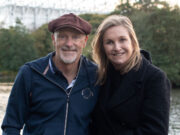
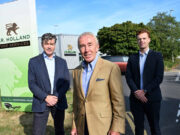
The rebuild is being led by entrepreneur Jeroen van den Berge, who provided the investment that rescued the business in January and has since taken on the role of Executive Chair alongside Alpkit’s original founders, including co-founder and MD Nick Smith. Under the new leadership, the business has reset with a tighter focus. A simplified product range, renewed investment and a commitment to keep the majority of its stores open all point to a brand intent on rebuilding for the long term. For many customers, it’s a reassuring shift. Alpkit still looks and feels like Alpkit.
Of the ten UK stores, seven will stay open and get investment in refreshed layouts and locally curated ranges, while the Kingston store is relocating to new premises in the same area. The company says it’s still scouting further locations too, a sign this is a repositioning rather than a retreat. That said, the planned closures of the Ilkley and Inverness shops will be felt locally, both by staff and the communities that have grown around them.
The simplified range extends to Sonder, Alpkit’s bike arm, which is being trimmed down to its strongest-selling adventure bikes, with lower-volume models retired to free up investment for new development. Alpkit also launched its first footwear range earlier in 2026, rounding out a broader head-to-toe kit list even as other areas might be pared back.
Alongside the operational reset sits a more delicate issue: the brand’s early backers. Through crowdfunding, thousands of individuals collectively invested millions of pounds into Alpkit, many of them outdoor enthusiasts who bought into the company’s ethos as much as its balance sheet. Formal insolvency documents confirmed there would be no return on that original investment, though the company has said it intends to offer investors a stake in the new business. That process is still being worked through.
For now, that leaves a sense of unfinished business between the brand and a community that helped build it.
Alpkit has long traded on doing things differently, building loyalty that goes beyond products and into shared values around adventure, sustainability and community. The next phase is about more than stabilising the business. It is about showing how that ethos carries forward, and what meaningful role those early supporters will play in it.
How Alpkit chooses to reconnect with that audience may prove just as important as the turnaround itself.