
















Following the recent collapse of a building on Regent Street in Liverpool, which left a car crushed beneath debris, the local creative community is calling for a stronger voice in the future of the area.
The incident, which occurred earlier this month, has sparked reflection among the creative businesses that have been operating in the district for over a decade. Organisations such as Make CIC, Invisible Wind Factory, and Vulcan Street Studios were integral to the area long before it was designated the Ten Streets regeneration zone.
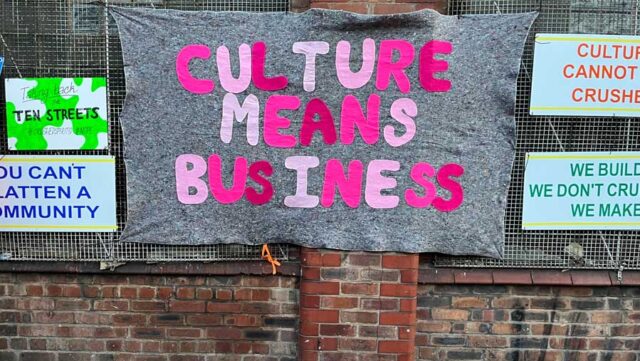
These independent organisations have hosted hundreds of exhibitions and supported numerous artists, significantly contributing to Liverpool’s cultural landscape. Their work has played a vital role in major city-wide events, including the River of Light and the Taylor Town Trail, which together attracted tens of thousands of visitors and generated millions of pounds in economic activity.
Despite these contributions, many long-standing tenants express concern that the reality of regeneration has not kept pace with the ambitious plans laid out. They face challenges such as ageing buildings, inadequate infrastructure, and ongoing safety issues that complicate daily operations.
Make CIC’s efforts to secure their building a decade ago serve as a case in point. Their attempt was thwarted by a sudden price increase following the area’s rebranding, highlighting the vulnerability of independent businesses that have helped shape the district’s reputation.
Long-term tenants also cite operational difficulties, including weekly road closures and parking restrictions, which hinder the work of small businesses and artists who have been the backbone of the area.
The recent building collapse has prompted a renewed conversation within the creative community about the realities of regeneration for those already established in the area. Local independent businesses hope this incident will foster greater visibility and dialogue regarding their experiences and the essential role they play in making Ten Streets a cultural hub.
As development plans move forward, these organisations stress that the future success of the district hinges on a balance between new investments and continued support for the creative entities that have defined it. They remain dedicated to the area and to Liverpool’s cultural future, emphasising that regeneration must prioritise everyday safety, inclusion, and ongoing communication.